
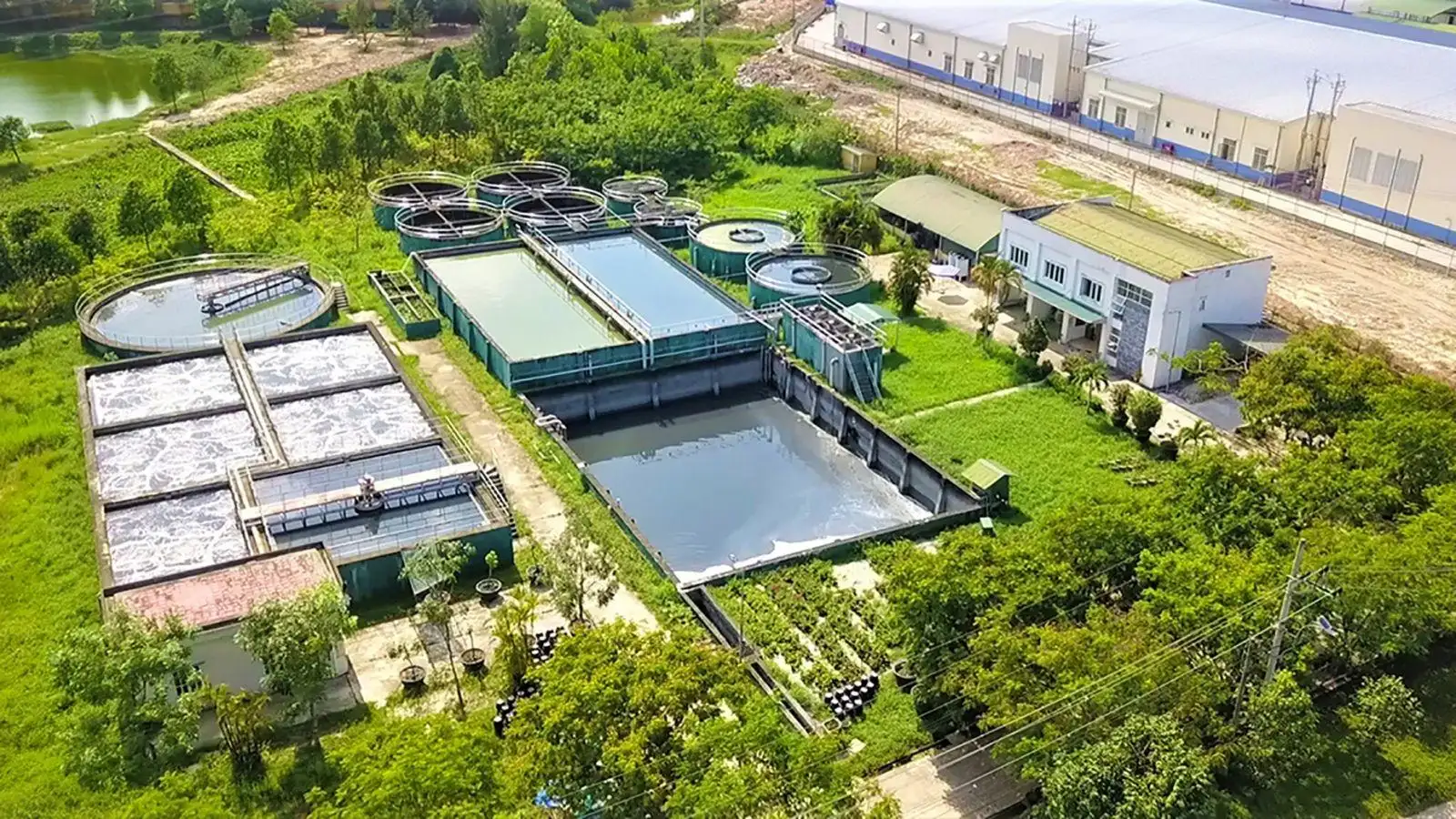
Wastewater treatment enzymes reduce COD and BOD by breaking down complex organic pollutants into simpler compounds that bacteria in an effluent treatment plant can digest quickly. Enzymes such as lipase, protease, amylase and cellulase target fats, proteins, starches and fibre respectively, accelerating biological treatment, reducing sludge volume and helping plants meet discharge norms without expanding infrastructure.
Why COD and BOD Decide Compliance
Chemical Oxygen Demand and Biological Oxygen Demand are the two figures that determine whether an industrial effluent stream can legally be discharged. COD measures the total oxygen required to oxidise all organic matter present. BOD measures the oxygen microorganisms need to break down the biodegradable fraction.
The relationship between them is diagnostic. When COD is high but BOD is comparatively low, the effluent contains organic matter that resists biological breakdown — exactly the situation where conventional ETP bacteria struggle and where enzymes make the difference.
For plants under CPCB and state pollution control board oversight, exceeding these limits carries real consequences: penalties, discharge restrictions and in serious cases closure notices. Treatment performance is a compliance function, not just an operating one.
How Enzymes Work in an ETP
A conventional effluent treatment plant relies on bacteria to consume organic pollutants. The limitation is that bacteria cannot directly absorb large, complex molecules — fats, oils, greases, proteins, starches and cellulosic fibre are simply too big to cross the cell membrane.
Enzymes solve this bottleneck. They hydrolyse these large molecules into smaller, soluble fragments that bacteria can absorb and metabolise immediately. The bacteria were always capable of the work; the enzymes remove the obstacle.
The practical result is faster degradation, more stable treatment performance and less accumulated material clogging the system.
The Key Enzymes and What They Target
Enzyme | Target Pollutant | Typical Industry |
Lipase | Fats, oils and grease (FOG) | Food processing, dairy, hospitality |
Protease | Proteins and organic nitrogen | Meat, dairy, leather, tannery |
Amylase | Starches and carbohydrates | Food, brewery, distillery, textile |
Cellulase | Cellulose and plant fibre | Paper and pulp, textile, agro-processing |
Lipase and the FOG Problem
Fats, oils and grease are among the most disruptive pollutants in an ETP. They coat surfaces, block pipework, form floating scum layers and shield other organic matter from bacterial attack. Lipase breaks fats into fatty acids and glycerol, which bacteria consume readily — clearing both the pollutant and the physical obstruction it creates.
Protease in Nitrogen-Heavy Effluent
Meat processing, dairy and tannery effluent carries a heavy protein load that contributes to both COD and organic nitrogen. Protease breaks proteins into peptides and amino acids, accelerating their removal and easing downstream nitrogen management.
Microbial Cultures Alongside Enzymes
Enzyme dosing is frequently combined with selected microbial consortia. The enzymes open up the complex molecules; the introduced bacteria are chosen for their ability to metabolise the resulting fragments efficiently. This pairing is particularly effective for effluent that has historically resisted treatment.
What Plants Actually Gain
- Lower COD and BOD at discharge – the primary compliance outcome
- Reduced sludge volume – less solid material to dewater, transport and dispose of, which is often a significant recurring cost
- Odour control – faster breakdown of organics reduces the anaerobic conditions that generate hydrogen sulphide and ammonia
- Fewer blockages – degraded FOG means less scum, less pipe fouling and less downtime
- Stability under shock loads – better resilience when production surges or effluent composition shifts
- Capacity without capital – improved throughput from the existing ETP rather than new construction
Making Enzyme Dosing Work
- Characterise the effluent first. The right enzyme depends on what is actually in the stream — FOG-heavy dairy effluent needs a different programme from cellulose-heavy paper mill effluent.
- Dose at the right point. Enzymes generally work best applied early, before pollutants have settled or formed stable scum layers.
- Maintain pH and temperature. Enzymes lose activity outside their operating window; ETP conditions must support them.
- Watch for biocide conflict. Disinfectants and strong oxidising agents will denature enzymes and kill introduced cultures. Dosing points need separating.
- Allow time to establish. Biological systems stabilise over days to weeks, not hours. Judge results against a proper baseline.
- Monitor continuously. Track COD, BOD, sludge volume and odour so dosing can be adjusted as production patterns change.
Which Industries Benefit Most
Enzymatic effluent treatment applies wherever the organic load is high and biological in origin: food and beverage processing, dairy, distillery spent wash, sugar mill effluent, paper and pulp, textile and dyeing, leather and tanneries, poultry and meat processing, and municipal or common effluent treatment facilities handling mixed industrial streams.
The common pattern is an ETP running at or beyond design capacity, struggling with a pollutant class its bacteria cannot process fast enough. That is precisely the gap enzymes close — and closing it operationally is considerably cheaper than expanding the plant.
Frequently Asked Questions
How do enzymes reduce COD and BOD in wastewater?
Enzymes break large, complex organic molecules such as fats, proteins, starches and cellulose into smaller soluble compounds that bacteria can absorb and digest quickly. This accelerates biological breakdown, lowering both COD and BOD at discharge.
Which enzymes are used in effluent treatment?
The main enzymes are lipase for fats, oils and grease, protease for proteins, amylase for starches and carbohydrates, and cellulase for plant fibre. They are often dosed alongside selected microbial cultures.
Do enzymes reduce sludge in an ETP?
Yes. By breaking down organic solids more completely, enzyme treatment reduces the volume of sludge generated, lowering dewatering, transport and disposal costs.
Can enzymes help an ETP meet CPCB discharge norms?
Enzymes improve treatment efficiency and help reduce COD and BOD at discharge. Results depend on effluent characteristics, existing ETP design and correct dosing, so treatment should be assessed against actual plant conditions.
Will disinfectants affect enzyme performance?
Yes. Strong oxidising agents and biocides denature enzymes and kill introduced microbial cultures, so dosing points must be separated within the treatment process.
Struggling with COD, BOD or sludge volume at your ETP? Alfanzyme’s technical team can assess your effluent profile and recommend an enzyme and microbial programme suited to your treatment setup.
Contact: alfanzyme.com/waste-water-management | info@alfanzyme.com | +91 9353031105
