
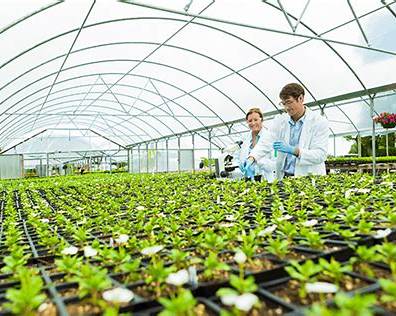
Soil enzymes agriculture
It improve crop yield by unlocking nutrients that are present in the soil but unavailable to plants. Phosphatase releases bound phosphorus, urease and protease drive nitrogen cycling, and cellulase accelerates the breakdown of crop residue into usable organic matter. Combined with microbial inoculants, enzymatic soil management raises fertiliser efficiency and rebuilds soil biology degraded by intensive cultivation.
The Problem of Nutrients That Are Present but Unavailable
A soil test showing adequate phosphorus does not mean the crop can access it. In much of India’s cultivated land, applied phosphorus rapidly binds with calcium in alkaline soils or iron and aluminium in acidic ones, becoming chemically fixed and unavailable to roots. Growers respond by applying more, most of which fixes in turn.
This is the central inefficiency in conventional fertiliser use. The nutrient is in the field; the plant cannot reach it. Soil enzymes and the microorganisms that produce them are the mechanism by which fixed nutrients are released back into available form.
The Key Soil Enzymes
Enzyme | Function | Agronomic Benefit |
Phosphatase | Releases bound phosphorus | Improves P availability and uptake |
Urease | Converts urea to available nitrogen | Better nitrogen use efficiency |
Protease | Breaks organic nitrogen compounds | Steady nitrogen release |
Cellulase | Decomposes crop residue | Faster organic matter formation |
Dehydrogenase | Indicator of microbial activity | Measures overall soil biological health |
Phosphatase and Phosphorus Availability
Phosphatase enzymes, produced largely by soil microorganisms and plant roots, hydrolyse organic phosphorus compounds and help mobilise fixed phosphorus. Supporting phosphatase activity means more of the phosphorus already applied over past seasons becomes accessible, which reduces the quantity of fresh fertiliser required to achieve the same result.
Nitrogen Cycling
Urease converts applied urea into ammonium that plants can take up. Protease and related enzymes break down organic nitrogen from residue and manure into plant-available forms. Well-functioning nitrogen cycling releases nutrient gradually, matching crop demand better than a single soluble application and reducing leaching losses.
Residue Decomposition
Cellulase and related enzymes break down the lignocellulosic material in crop residue. This matters practically in India, where stubble management is both an agronomic and an air quality issue. Accelerated in-field decomposition converts residue into organic matter rather than an obstacle to the next sowing.
Microbial Inoculants Alongside Enzymes
Enzymes in soil are largely produced by soil biology, so sustaining that biology is as important as the enzymes themselves. Microbial inoculants commonly used include nitrogen-fixing bacteria, phosphate-solubilising bacteria, potash-mobilising organisms and mycorrhizal fungi that extend the effective root zone.
Intensive cultivation, heavy chemical use and repeated tillage deplete these populations. Reintroducing them restores the biological processes that make soil nutrients cycle rather than merely accumulate in fixed form.
What Growers Gain
- Higher fertiliser efficiency – more of what is applied reaches the crop
- Better nutrient availability – access to reserves already present in the soil
- Improved soil structure – microbial activity builds aggregation and water-holding capacity
- Faster residue breakdown – residue becomes organic matter rather than a disposal problem
- Reduced input cost – less fertiliser needed for the same yield
- Long-term soil recovery – rebuilding biology rather than depleting it further each season
Practical Application
- Test before treating – soil organic carbon and pH determine which interventions will work
- Protect the inoculant – microbial products are living and are damaged by heat, direct sunlight and long storage
- Mind fungicide timing – soil-applied fungicides can harm beneficial fungi; separate applications
- Maintain organic matter – soil biology needs a carbon food source to sustain itself
- Expect gradual results – biological soil improvement shows over seasons, not weeks
Setting expectations honestly matters here. Biological soil management is not a rescue treatment for a struggling crop mid-season. It is a programme that improves nutrient efficiency and soil condition cumulatively, and its returns compound over successive seasons.
Frequently Asked Questions
What do soil enzymes do?
Soil enzymes convert nutrients that are present but chemically unavailable into forms plants can absorb. Phosphatase releases bound phosphorus, urease and protease drive nitrogen cycling, and cellulase decomposes crop residue into organic matter.
How can soil health be improved naturally?
Soil health improves by rebuilding biological activity: applying microbial inoculants, supporting enzyme function, maintaining organic matter, decomposing crop residue in field, and reducing practices that deplete soil biology.
Can enzymes reduce fertiliser use?
Yes. By making fixed and organic nutrients available to the crop, enzyme and microbial programmes improve fertiliser use efficiency, allowing the same yield with lower applied quantities over time.
How do soil enzymes help with crop residue?
Cellulase and related enzymes accelerate the breakdown of lignocellulosic residue into organic matter, which improves soil structure and removes the need to burn or physically remove stubble.
How quickly do biological soil treatments show results?
Biological soil improvement is gradual and typically shows across seasons rather than weeks. It improves nutrient efficiency and soil condition cumulatively rather than acting as an immediate crop rescue.
Want better nutrient efficiency from your soil? Alfanzyme’s bio-agriculture team can recommend an enzyme and microbial programme suited to your soil type and cropping pattern.
Contact: alfanzyme.com/bio-agriculture | info@alfanzyme.com | +91 9353031105
